


Bringing your baby home is a big moment.
It is beautiful.
It is emotional.
It can also feel overwhelming.
Many families are not prepared for how intense the early days can feel.
And the truth is, you are not alone.
In Canada:
- Almost 1 in 4 mothers (23%) report symptoms of postpartum depression or anxiety
- About 1 in 5 people experience a perinatal mood or anxiety disorder
- Around 1 in 10 partners experience postpartum depression
These numbers are common.
But many families still go through postpartum without enough support.
At Helping Hands Doula, we see this every day.
This month, we want to share what our clients experience.
Not from our perspective, but from theirs.
When everything feels like too much
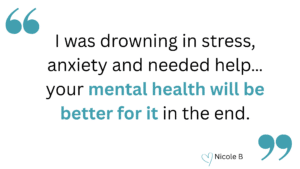
Many families reach a point where things feel like too much.
You might feel:
- overwhelmed
- anxious
- unsure what to do next
This is where support can change the experience.
Our role is not to take over.
It is to guide you through it.
To help you feel seen, supported, and capable again.
Perinatal mood disorders are treatable.
Early support makes a difference.
Overwhelm is part of the transition
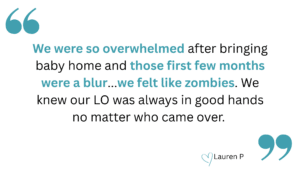
Postpartum is a major transition.
You are healing.
You are learning your baby.
You are adjusting to a new life.
Feeling overwhelmed does not mean you are doing something wrong.
It means you are in it.
One of the biggest risk factors for mental health challenges is lack of support.
This is why many families choose to plan ahead with:
Sleep affects everything
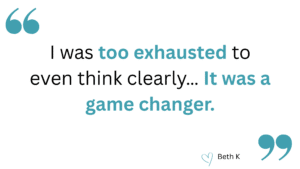
Sleep deprivation impacts:
- mood
- anxiety
- patience
- decision-making
When sleep is broken, everything feels harder.
Protecting sleep is one of the most effective ways to support mental health.
Overnight support can help restore:
- clarity
- energy
- emotional balance
Learn more about overnight care, and how an experienced doula team can help protect sleep cycles.
Confidence grows with support

Many parents feel unsure in the beginning.
You may wonder:
- Is this normal?
- Am I doing this right?
You do not need to figure it out alone.
When you have the right support:
- questions get answered
- decisions feel easier
- confidence builds over time
You do not have to do this alone
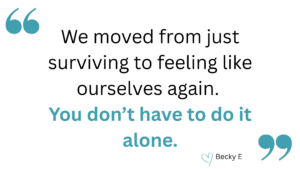
Many families start in survival mode.
That is common.
But staying there too long can be hard on your mental health.
Support helps you move forward.
From:
- surviving
To: - settling
To: - feeling like yourself again
Anxiety is more common than people think
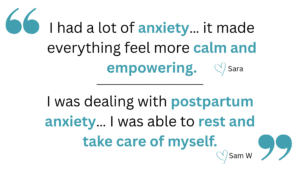
Anxiety can show up as:
- constant worry
- racing thoughts
- trouble relaxing
- feeling on edge
Support in the home plays a key role in recovery.
It helps create space for:
- rest
- reassurance
- daily stability
Support helps the whole family

Postpartum affects more than one person.
Partners are adjusting too.
About 1 in 10 partners experience postpartum depression
Support in the home can:
- reduce pressure on partners
- improve communication
- create more balance
You do not need to manage the support
Many families worry they will need to direct everything.
That is not how this works.
We come into your home and meet you where you are.
We look at what is happening.
We adjust in real time.
Sometimes that means:
- taking the baby so you can sleep
- helping reset routines
- answering questions
- creating calm in the moment
Doulas are trained to support families in this stage.
They are often the first to:
- notice when something feels off
- normalize your experience
- suggest next steps
- guide you toward additional support if needed
Whether you are preparing or already in it
Some families plan ahead.
Others reach out when things feel overwhelming.
Both are okay.
If you are preparing, you can:
- explore your options and Meet the Team of Doulas
- learn what support can look like
If you are already in it:
You do not need to wait.
We are here to step in and support you.
You are not meant to do this alone

Postpartum is not just about getting through the day.
It is about how you feel while you are in it.
With the right support:
- rest becomes possible
- confidence grows
- overwhelm softens
And you can begin to feel like yourself again.










No Comments